Serving Greater New Orleans & Northshore



After a Long Louisiana Summer: 7 HVAC Maintenance Tasks New Orleans Homeowners Shouldn’t Skip
After a Long Louisiana Summer: 7 HVAC Maintenance Tasks New Orleans Homeowners Shouldn’t Skip

New Orleans summers are known for intense heat, high humidity, and long stretches of air conditioning use. After months of keeping your home cool, your HVAC system may need some attention before cooler weather arrives.
From clogged air filters to condensate drain problems, Louisiana’s extended cooling season can contribute to wear and maintenance issues that affect your system’s performance. Fall is an excellent time to address these concerns while preparing your heating equipment for occasional cold weather.
Whether you have a central air conditioner, heat pump, or furnace, these seven HVAC maintenance tasks can help keep your New Orleans home comfortable throughout the changing seasons.
Why Is Fall HVAC Maintenance Important in New Orleans?
Fall HVAC maintenance helps New Orleans homeowners address wear from heavy summer air conditioning use, improve airflow, identify potential drainage problems, and prepare heating equipment for cooler temperatures.
Unlike regions with long, consistently cold winters, New Orleans often experiences warm afternoons and cooler evenings throughout fall. Your HVAC system may need to switch between heating and cooling as temperatures fluctuate.
Completing seasonal maintenance can help identify developing problems before they interrupt your comfort.
1. Replace or Clean Your HVAC Air Filter
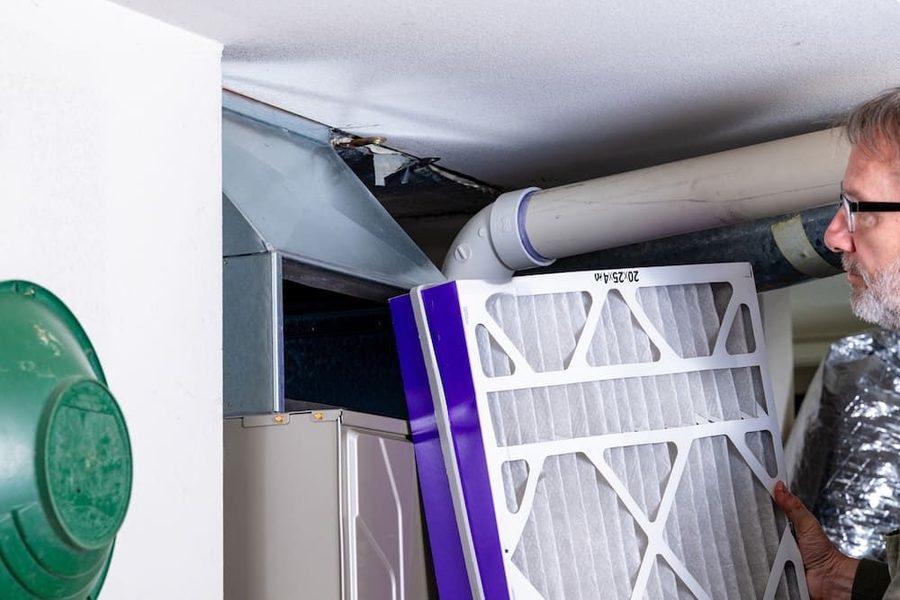
After a long Louisiana summer, your HVAC air filter may have accumulated significant dust, dirt, and airborne debris.
A dirty filter restricts airflow, making it harder for your heating and cooling system to operate effectively. Severe airflow restrictions can also contribute to frozen evaporator coils, uneven temperatures, and equipment overheating.
What Homeowners Should Do
-
Locate your HVAC air filter.
-
Inspect it for visible dust and debris.
-
Replace disposable filters when dirty.
-
Clean reusable filters according to manufacturer instructions.
-
Use the correct filter size and compatible filtration rating.
How often you need to change your filter depends on its type, household conditions, and system requirements.
Homes with pets, frequent HVAC use, or higher dust levels may require more frequent inspections.
2. Inspect Your AC Condensate Drain Line
Humidity is a major concern for New Orleans homeowners, and your air conditioner works hard to remove excess moisture from indoor air.
As your AC cools the air, condensation collects and drains through a dedicated condensate line.
Over time, algae, dirt, and other buildup can restrict drainage.
A clogged condensate drain may cause water to collect around the indoor unit or activate a safety switch that shuts down cooling.
What Homeowners Should Do
Watch for these warning signs:
-
Standing water near the indoor HVAC equipment
-
Musty odors around the system
-
Water stains near the air handler
-
Unexpected cooling shutdowns
-
Moisture around the condensate drain
If you notice drainage problems, schedule professional AC maintenance.
Avoid pouring harsh chemicals into the drain or attempting unfamiliar repairs that could damage the equipment.
3. Clear Debris Around Your Outdoor AC Unit
Your outdoor condenser needs adequate airflow to release heat collected from inside your home.
During summer, grass clippings, leaves, dirt, and surrounding vegetation can accumulate around the unit.
When airflow becomes restricted, your air conditioner may struggle to operate efficiently.
What Homeowners Should Do
-
Remove loose leaves and debris around the equipment.
-
Trim vegetation according to manufacturer clearance recommendations.
-
Keep nearby storage items away from the unit.
-
Check for obvious damage or debris buildup.
-
Maintain clear access for professional servicing.
Avoid pressure washing the condenser or opening electrical panels.
A professional HVAC technician can clean delicate components and inspect the equipment safely.
4. Check Your Thermostat Settings
New Orleans fall weather can change quickly, with warm afternoons followed by noticeably cooler evenings.
Your thermostat plays an important role in helping your HVAC system respond to these temperature changes.
Incorrect settings, outdated schedules, or low batteries may cause heating and cooling problems.
What Homeowners Should Do
-
Confirm the thermostat displays the correct temperature.
-
Review programmed heating and cooling schedules.
-
Replace batteries if your thermostat requires them.
-
Make sure the system responds when switching modes.
-
Check that the fan setting matches your comfort needs.
If your thermostat calls for heating or cooling but the system doesn’t respond, the issue may involve the thermostat, wiring, or HVAC equipment.
5. Inspect Your Supply Vents and Return Air Grilles
Your HVAC system relies on proper airflow to distribute conditioned air throughout your home.
Blocked supply vents or return air grilles can interfere with circulation, contributing to uneven temperatures and reduced comfort.
Dust buildup, furniture placement, and household clutter can all affect airflow.
What Homeowners Should Do
Walk through your home and inspect accessible vents.
-
Remove dust from supply registers.
-
Keep furniture away from return air grilles.
-
Make sure rugs and curtains aren’t blocking airflow.
-
Avoid closing multiple vents to redirect conditioned air.
-
Pay attention to rooms that consistently feel warmer or cooler than others.
If certain rooms continue experiencing airflow problems, your ductwork or HVAC blower may need professional evaluation.
6. Schedule a Professional HVAC Tune-Up
Some HVAC maintenance tasks are best handled by trained professionals.
After months of heavy air conditioning use, a professional inspection can help identify worn components, electrical issues, drainage problems, and other developing concerns.
What Does a Fall HVAC Tune-Up Include?
Depending on your equipment, an HVAC technician may:
-
Inspect electrical connections and controls.
-
Evaluate blower operation and airflow.
-
Check evaporator and condenser coil conditions.
-
Inspect condensate drainage.
-
Evaluate refrigerant-related system performance.
-
Test thermostat operation.
-
Inspect heating components and safety controls.
For heat pumps, professional maintenance should account for both heating and cooling functions.
Gas furnaces also require appropriate combustion and safety inspections before regular seasonal use.
Scheduling an HVAC tune-up in New Orleans can help identify potential problems before they lead to unexpected breakdowns.
Although maintenance cannot prevent every repair, it supports reliable equipment operation and provides an opportunity to address issues early.
7. Test Your Heating System Before the First Cold Snap
Heating equipment may go unused for much of the year in Louisiana, making fall an important time to confirm everything works properly.
Even though New Orleans winters are generally milder than those in northern states, occasional freezing temperatures make reliable heating essential.
Testing your system before colder weather arrives can help you discover problems while there’s still time to schedule repairs.
What Homeowners Should Do
-
Set your thermostat to HEAT.
-
Raise the desired temperature slightly above the current room temperature.
-
Allow the heating system time to start.
-
Confirm that warm air reaches your living spaces.
-
Listen for unusual noises.
-
Watch for warning lights or error messages.
Heat pumps may deliver air that feels less hot than air from a gas furnace. This doesn’t necessarily indicate a problem.
If your heating system fails to start, repeatedly shuts down, or doesn’t maintain the desired temperature, contact an HVAC professional.
For homes with fuel-burning equipment, make sure carbon monoxide alarms are functioning properly.
If you smell gas or a carbon monoxide alarm activates, leave the building and follow emergency safety procedures.
Common HVAC Problems After a Louisiana Summer
Extended air conditioning use can reveal or contribute to several HVAC problems.
New Orleans homeowners should pay attention to:
-
Weak airflow: May indicate a clogged filter, ductwork restriction, or blower problem.
-
Musty odors: Could point to moisture buildup or drainage issues.
-
Uneven temperatures: May result from airflow restrictions or equipment problems.
-
Unusual noises: Can indicate loose, worn, or malfunctioning components.
-
Frequent cycling: May suggest thermostat, airflow, or mechanical issues.
-
Heating failures: May become noticeable when the system is switched to heating mode.
If these symptoms continue after basic maintenance, professional troubleshooting can help identify the cause.
How Often Should New Orleans Homeowners Schedule HVAC Maintenance?
Many residential HVAC systems benefit from professional maintenance before the cooling season and again before the heating season.
However, the appropriate schedule depends on your equipment, manufacturer recommendations, and household conditions.
Heat pumps deserve particular attention because they provide both heating and cooling throughout the year.
Between professional visits, homeowners should regularly inspect filters, keep outdoor equipment clear, and monitor changes in system performance.
Keep Your New Orleans HVAC System Ready With Stuart Services
After months of Louisiana heat and humidity, your HVAC system deserves attention before the next seasonal transition.
Replacing dirty filters, checking condensate drainage, clearing outdoor equipment, and testing your heating system can help reduce avoidable problems.
Professional maintenance provides an additional opportunity to identify developing issues and prepare your equipment for reliable year-round comfort.
Stuart Services provides professional heating, air conditioning, and HVAC maintenance services for homeowners throughout New Orleans and surrounding Louisiana communities.
Whether your system needs a seasonal tune-up, AC maintenance, or heating repairs, the experienced team at Stuart Services can help.
Contact Stuart Services today to schedule your fall HVAC maintenance and keep your New Orleans home comfortable through every season.
Recent Posts
How to Prepare Your New Orleans Home Before a Storm
New Orleans Hurricane Electrical Checklist
Sewer Smell in the House in New Orleans: The 6 Most Common Causes (And Which Ones Are Emergencies)
Send Us a Message
Send Us a Message

Get Started Today
Let Stuart Do It!
Let Stuart Do It!
Ready for reliable home service you can count on? Contact Stuart Services today to schedule fast, expert heating, cooling, plumbing, or electrical solutions backed by over 65 years of trusted experience.