Serving Greater New Orleans & Northshore




How to Prepare Your New Orleans Home Before a Storm
How to Prepare Your New Orleans Home Before a Storm

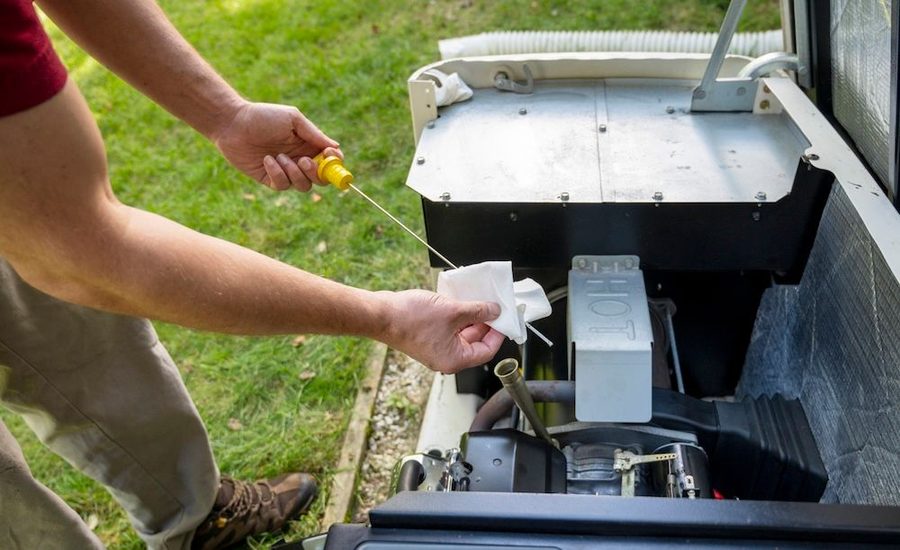
Storm preparation is a familiar part of life in New Orleans, where hurricanes, tropical storms, heavy rainfall, and high winds can affect homes throughout the region. Preparing before severe weather arrives can help reduce property damage, make power outages easier to manage, and give your household a clearer plan if conditions worsen.
A good New Orleans storm preparation plan goes beyond buying bottled water at the last minute. Homeowners should consider their HVAC system, plumbing, outdoor property, backup power, important documents, and emergency supplies. Use this guide to prepare your home before a storm while there is still time to safely address potential problems.
New Orleans Storm Preparation Checklist
If a hurricane or major storm may affect New Orleans, focus on these key home preparation tasks:
-
Follow local weather forecasts and emergency instructions
-
Review your evacuation plan
-
Bring loose outdoor items inside
-
Inspect trees and remove obvious hazards before conditions deteriorate
-
Clear gutters and accessible drainage areas
-
Protect windows according to your home’s storm plan
-
Prepare your HVAC system
-
Address plumbing leaks or drainage problems
-
Test your generator if you have one
-
Charge phones and backup batteries
-
Prepare food, water, medications, and emergency supplies
-
Protect important documents
-
Know how to safely shut off household utilities if instructed
-
Document your home’s condition before the storm
Preparation should be completed before winds, flooding, or other dangerous conditions make outdoor work unsafe.
1. Follow New Orleans Weather and Emergency Updates
Storm conditions and forecasts can change quickly. Monitor reliable sources such as the National Hurricane Center, National Weather Service, local emergency management officials, and local news.
Pay attention to evacuation orders and instructions from local authorities. Your home preparation checklist should never take priority over an evacuation order or other emergency guidance.
If evacuation becomes necessary, know where you plan to go, which route you will take, and what essential items need to leave with you.
2. Secure Outdoor Items Before High Winds Arrive
Patio furniture, grills, planters, decorations, toys, and other loose objects can become hazards during strong winds.
Before the storm:
-
Bring lightweight outdoor furniture and decorations inside
-
Secure items that cannot be moved
-
Close and secure sheds and storage areas
-
Remove loose objects from patios, porches, and balconies
-
Check fences and gates for obvious damage
-
Avoid leaving tools or equipment outside
Do not wait until winds are already increasing to begin moving heavy outdoor objects.
3. Check Trees, Gutters, and Drainage Around Your Home
Heavy rainfall can quickly expose drainage problems, while high winds may bring down already weakened branches.
Look for Obvious Tree Hazards
From the ground, look for dead, broken, or hanging branches that could threaten your home, vehicles, or nearby equipment.
Tree trimming near power lines should always be left to qualified professionals. Never attempt to remove branches that are touching or close to utility lines.
Clear Gutters and Accessible Drains
Leaves and debris can interfere with water drainage. Before the storm, safely clear accessible gutters, downspouts, and drainage areas.
Make sure downspouts direct water away from the foundation where possible. If your property has known drainage issues, address them well before a storm is approaching rather than attempting repairs during severe weather.
4. Prepare Windows and Exterior Doors
Windows and doors are vulnerable to wind and wind-driven debris.
If your home has hurricane shutters or another approved window protection system, make sure the components are available and functioning before hurricane season reaches its peak. Do not rely on tape to protect windows from hurricane-force winds.
Check exterior doors for secure latches and locks. Garage doors should also be inspected because damage to a large opening can allow wind and rain into the structure.
Any hurricane protection system should be installed and used according to its manufacturer instructions.
5. Prepare Your HVAC System for the Storm
Your air conditioner works hard during a New Orleans summer, but severe weather can expose outdoor HVAC equipment to wind, debris, flooding, and power disruptions.
Before a storm:
-
Replace a dirty HVAC filter if needed
-
Remove loose debris around the outdoor unit
-
Make sure nearby outdoor objects are secured
-
Check for existing HVAC problems
-
Review manufacturer recommendations for storm conditions
Do not cover an operating outdoor air conditioning unit with plastic or another material that blocks airflow.
If the HVAC system becomes submerged or sustains significant storm damage, do not simply turn it back on after the storm. Have affected equipment professionally evaluated first.
6. Check Your Plumbing Before Heavy Rainfall
A storm is a bad time to discover that your home already has a serious plumbing or drainage problem.
Before severe weather arrives, pay attention to:
-
Slow drains
-
Recurring sewer backups
-
Active plumbing leaks
-
Running toilets
-
Sump or drainage equipment, if applicable
-
Unusual sewer odors
-
Known sewer line problems
Heavy rain does not cause every plumbing backup, but existing drainage or sewer problems can become more noticeable during periods of significant rainfall.
If your home has a water shutoff valve, know where it is and how it operates. Do not wait for an emergency to begin searching for it.
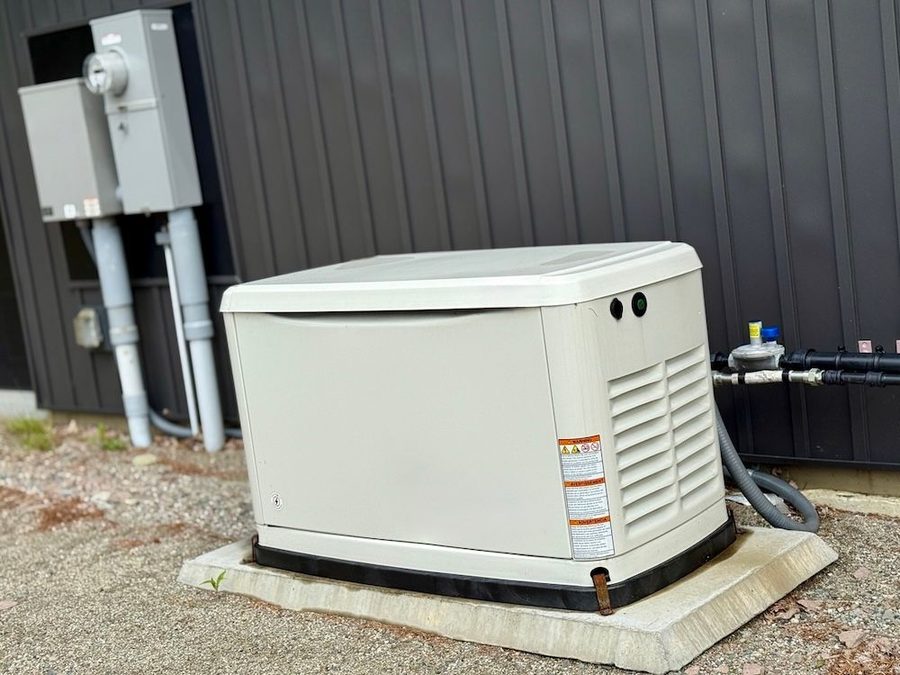
7. Prepare Your Generator and Backup Power
If you have a standby or portable generator, check its condition before an outage occurs.
For standby systems, make sure scheduled maintenance is current and address warning lights or fault codes. For portable generators, review the manufacturer’s operating instructions and make sure you understand safe placement and electrical capacity.
Never operate a portable generator indoors, in a garage, or in another enclosed or partially enclosed space. Generator exhaust contains carbon monoxide, which can be deadly.
Also test your home’s carbon monoxide alarms before relying on fuel-burning backup equipment.
8. Build or Refresh Your Emergency Supply Kit
Your household should have essential supplies available before stores become crowded or conditions make travel difficult.
Depending on your household, supplies may include:
-
Drinking water
-
Nonperishable food
-
Prescription medications
-
First-aid supplies
-
Flashlights
-
Extra batteries
-
Portable phone chargers
-
Battery-powered or hand-crank radio
-
Hygiene supplies
-
Pet food and supplies
-
Necessary infant or senior care items
Consider the needs of every person and pet in the household rather than relying on a generic storm kit.
9. Charge Devices and Prepare for a Power Outage
Fully charge phones, tablets, portable battery packs, and other essential devices before severe weather arrives.
Download or save important information that you may need if internet or cellular service becomes unreliable. Keep flashlights in easy-to-find locations so you are not searching for them in the dark.
For detailed guidance about generators, surge protection, electrical panels, flooding, and electrical hazards, homeowners should also follow a dedicated New Orleans hurricane electrical checklist. Keeping those electrical safety steps separate helps ensure important precautions are not overlooked.
10. Protect Important Documents and Records
Important household records can be difficult to replace after flooding or major property damage.
Consider protecting copies of:
-
Insurance policies
-
Identification
-
Medical information
-
Emergency contacts
-
Home inventory records
-
Vehicle information
-
Important financial documents
Store physical documents in a waterproof container when appropriate and maintain secure digital backups of important records.
11. Document Your Home Before the Storm
Before severe weather arrives, take photos or video of your home’s current condition.
Document major rooms, appliances, electronics, HVAC equipment, and valuable belongings. Exterior photos can also provide a record of the roof, siding, windows, fencing, and outdoor property.
This documentation may be useful if you later need to identify or report storm-related damage. Keep copies somewhere you can access even if your phone or computer is damaged.
12. Know When to Stop Preparing
One of the most important parts of hurricane preparation is knowing when outdoor work is no longer safe.
Do not climb ladders, trim trees, install exterior equipment, move heavy objects, or attempt home repairs once dangerous winds, lightning, or flooding begin.
If local officials issue an evacuation order, follow their instructions. Property can be repaired or replaced. Storm preparation should never delay getting your household to a safer location.
Prepare Your New Orleans Home Before Hurricane Season
The best time to prepare a New Orleans home for severe weather is well before a storm is approaching. Regular home maintenance, reliable HVAC and plumbing systems, backup power planning, working safety devices, and a household emergency plan can make hurricane preparation much more manageable.
Once a storm enters the forecast, focus on securing outdoor property, checking essential home systems, gathering supplies, protecting important records, and following local emergency guidance. Avoid last-minute repairs that could put you in danger as conditions deteriorate.
Stuart Services helps New Orleans homeowners keep essential home systems ready with professional electrical, plumbing, HVAC, and generator services. If you discover a problem while reviewing your storm preparation checklist, addressing it early can help ensure your home’s critical systems are in better condition before severe weather arrives.


Get Started Today
Let Stuart Do It!
Let Stuart Do It!
Ready for reliable home service you can count on? Contact Stuart Services today to schedule fast, expert heating, cooling, plumbing, or electrical solutions backed by over 65 years of trusted experience.