Serving Greater New Orleans & Northshore



Sewer Smell in the House in New Orleans: The 6 Most Common Causes (And Which Ones Are Emergencies)
Sewer Smell in the House in New Orleans: The 6 Most Common Causes (And Which Ones Are Emergencies)

Few things disrupt the comfort of a home faster than the pungent, rotten-egg odor of sewer gas. For homeowners across New Orleans, Metairie, Kenoway, and the West Bank, experiencing a sudden foul smell indoors is a common yet deeply concerning plumbing issue.
New Orleans’ unique geography makes local drainage systems particularly vulnerable. High groundwater tables, subtropical humidity, shifting alluvial soil, and aging municipal infrastructure put constant strain on residential plumbing networks.
Beyond being an unpleasant odor, sewer gas contains hydrogen sulfide, methane, and ammonia. In high concentrations, these gases pose genuine health risks, including headaches, nausea, and respiratory irritation, while creating potential fire hazards.
Stuart Services has been keeping New Orleans homes safe, clean, and comfortable since 1956. This guide breaks down the six most common causes of indoor sewer smells, how to identify hidden pipe failures, and how to know which situations require an emergency plumber immediately.
Non-Emergencies vs. Urgent Emergencies: Triage Guide
Before diving into specific causes, it helps to classify the severity of the sewer smell in your home:
-
Non-Emergencies: The odor is isolated to a single fixture (like a guest bathroom sink rarely used), there is no standing wastewater, and drains are flowing normally.
-
Urgent Emergencies: The sewer odor is overpowering throughout the entire house, wastewater is actively backing up into tubs or floor drains, or members of your household experience sudden dizziness or nausea.
6 Most Common Causes of Sewer Smells in New Orleans Homes
1. Dry P-Traps (Most Common Non-Emergency)
Every sink, shower, bathtub, and floor drain in your home features a curved section of pipe beneath it known as a P-trap. Under normal conditions, a small amount of standing water sits inside the curve, creating a liquid seal that blocks sewer gases from rising out of the main line into your living room or bathroom.
In guest bathrooms, home additions, or seasonal properties that sit unused during hot New Orleans summers, the standing water inside the P-trap completely evaporates.
-
The Fix: Run water down the affected drain for 60 seconds to refill the P-trap seal. If the smell disappears after a few minutes, the problem is solved.
2. Clogged or Corroded Plumbing Vent Stacks
Your plumbing system relies on roof vent stacks to release sewer gases safely into the outdoor air while maintaining balanced air pressure inside your drain pipes.
In the Crescent City, roof vents frequently become blocked by Spanish moss, fallen leaves, bird nests, or debris from severe storms and hurricanes. Additionally, older homes may have cracked or corroded cast-iron vent pipes hidden inside attic spaces or wall cavities. When a vent is blocked or cracked, trapped sewer gases leak directly into upper-level ceilings or wall voids.
3. Damaged or Worn Wax Ring Seals under Toilets
Toilets sit on a thick, rubberized wax ring that seals the base of the toilet horn to the top of the closet flange. This seal prevents liquid waste and sewer gases from escaping around the base of the toilet.
If your toilet rocks slightly when you sit on it, or if the bathroom floor underwent recent remodeling, the wax seal can break. Over time, sewer gas leaks past the compromised wax ring, creating a persistent odor near the base of the toilet even when the bowl is completely clean.
4. Cracked or Sinking Main Sewer Lines (EMERGENCY)
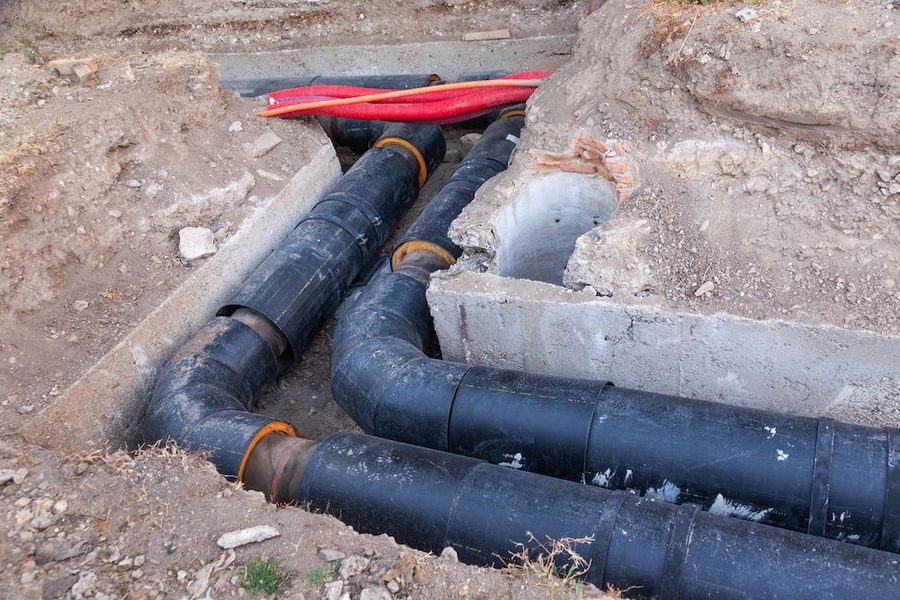
New Orleans’ soft, shifting delta soil creates severe structural challenges for underground main sewer lines. As ground moisture shifts between wet seasons and dry spells, underground soil settles and moves.
When an underground main sewer line cracks, sags (forms a belly), or separates, raw sewage leaks directly into your yard or beneath your raised home’s pier-and-beam foundation. As wastewater accumulates under the crawl space, heavy sewer gas rises into living areas through floorboards and ductwork.
5. Severe Main Drain Line Blockages and Sewage Backups (EMERGENCY)
When tree roots penetrate older terra-cotta or cast-iron sewer laterals, or when grease and wipes accumulate in main lines, wastewater cannot flow toward the municipal sewer main.
If running a washing machine or flushing an upstairs toilet causes raw, dark wastewater to gush upward into a downstairs bathtub, shower, or floor drain, you are facing a severe biohazard emergency. Raw sewage harbors hazardous pathogens, bacteria, and parasites that require immediate containment and professional drain clearing.
6. Dirty Garbage Disposals and Sludge Buildup
Sometimes the smell isn’t coming from deep inside the municipal sewer system, but from decomposing organic matter caught inside your kitchen sink drain. Food scraps, grease, and coffee grounds cling to the rubber splash guard and inner walls of garbage disposals, creating a musty, sewer-like odor.
Cause Breakdown: Emergency Level and Action Steps
Low-Risk: Isolated Non-Emergencies
-
Dry P-Traps: An unused sink, shower, or floor drain lets sewer gas rise when its water seal evaporates. Run tap water for 1–2 minutes to refill the trap and block odors.
-
Garbage Disposal Sludge: Food debris trapped on the rubber splash guard or grinding chamber causes foul kitchen smells. Clean the splash guard manually and run ice cubes with citrus peels through the unit to scour away buildup.
Moderate Risk: Non-Urgent Maintenance
-
Broken Toilet Wax Rings: A rocking toilet or persistent odor around the fixture base indicates a failed wax seal. Schedule routine service with a plumber to pull the toilet and replace the wax ring and closet flange.
-
Blocked or Cracked Vent Stacks: Gurgling drains or sewer smells inside attics and wall voids point to a clogged or damaged roof vent stack. Have a professional inspect internal stack pipes and clear debris from roof vents.
High Risk: Severe Emergency Situations
-
Broken Subterranean Main Lines: Widespread odor throughout the house, soggy spots in the lawn, or foul crawl space air signals a cracked underground sewer pipe. Isolate the area, stop using water, and call for emergency main line repair immediately.
-
Raw Sewage Backups: Dark wastewater gushing up into bathtubs or low-lying floor drains poses an active biohazard. Shut off your main water supply, keep family members away from affected areas, and contact a 24/7 emergency plumber right away.
Protect Your New Orleans Home and Family
Ignoring a persistent sewer smell inside your home puts your family’s health and property at risk. Whether the fix is as simple as refilling a dry P-trap or as complex as repairing a collapsed underground sewer line beneath shifting soil, taking fast action resolves the problem safely.
When simple DIY troubleshooting doesn’t eliminate the smell, professional diagnostic tools, such as video pipe camera scoping and non-toxic smoke testing, pinpoint the exact location of invisible leaks without destructive wall or yard digging.
Eliminate sewer odors and protect your home today. Contact Stuart Services to schedule your sewer service today!
Recent Posts
How to Prepare Your New Orleans Home Before a Storm
New Orleans Hurricane Electrical Checklist
Whole-Home Dehumidifier vs “Lower the Thermostat” for New Orleans Humidity
Send Us a Message
Send Us a Message


Get Started Today
Let Stuart Do It!
Let Stuart Do It!
Ready for reliable home service you can count on? Contact Stuart Services today to schedule fast, expert heating, cooling, plumbing, or electrical solutions backed by over 65 years of trusted experience.