Serving Greater New Orleans & Northshore



New Orleans Hurricane Electrical Checklist
New Orleans Hurricane Electrical Checklist

Hurricane season in New Orleans can bring power outages, flooding, lightning, and electrical hazards that continue even after severe weather has passed. Knowing what to check and what electrical hazards to avoid can help you make safer decisions when utility power is interrupted or your property experiences storm damage.
This New Orleans hurricane electrical checklist focuses specifically on your home’s electrical system, generators, electronics, and electrical safety during and after a storm. Keep it accessible throughout hurricane season so you know which electrical precautions deserve your attention.
Quick New Orleans Hurricane Electrical Checklist
Use this checklist as a starting point when hurricane conditions threaten the New Orleans area:
-
Test smoke and carbon monoxide alarms
-
Charge phones and portable battery packs
-
Keep battery-powered flashlights accessible
-
Check your generator’s operating status
-
Review portable generator safety requirements
-
Make sure generator maintenance is current
-
Understand what your generator can safely power
-
Never connect a portable generator directly to a wall outlet
-
Confirm installed transfer equipment is operational
-
Determine whether your home has whole-home surge protection
-
Keep your electrical panel accessible
-
Unplug selected nonessential electronics when safe and practical
-
Stay away from downed power lines
-
Never use submerged or water-damaged electrical equipment
-
Have flood-exposed electrical systems professionally evaluated
Generator Checklist
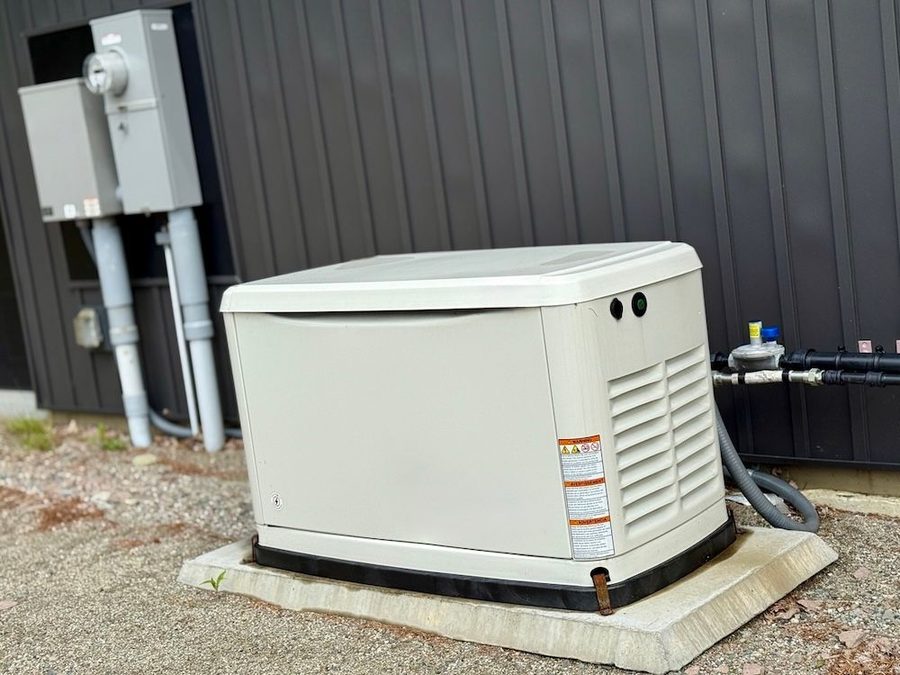
Generators can provide valuable backup electricity during New Orleans power outages, but improper operation can create carbon monoxide, electrocution, and fire hazards. FEMA specifically warns against using generators indoors or in partially enclosed spaces, including garages and crawl spaces.
Standby Generator Checklist
If your home has a permanently installed standby generator:
-
Check its operating status
-
Address warning lights or fault codes
-
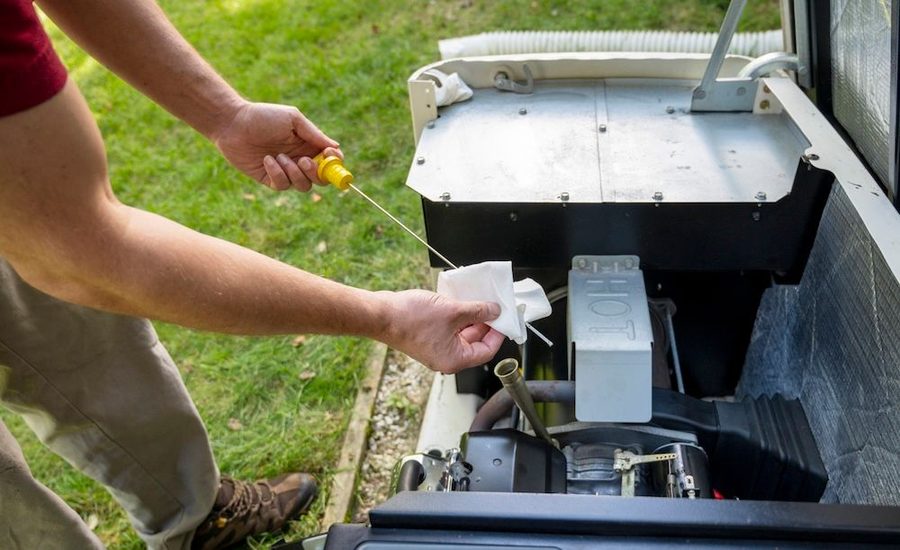
Make sure routine maintenance is current
-
Know which circuits and equipment it is designed to support
-
Follow manufacturer requirements for extended operation
-
Make sure the generator and surrounding area are free of obstructions
A standby generator should be serviced before it is needed rather than after a power outage has already started.
Portable Generator Checklist
If you use a portable generator:
-
Review the manufacturer’s instructions
-
Know the generator’s electrical capacity
-
Use properly rated, grounded extension cords when appropriate
-
Keep the generator dry
-
Never overload the generator
-
Allow the generator to cool before refueling
Most importantly, portable generators belong outdoors. FEMA and the CDC recommend operating them at least 20 feet from the home and away from doors, windows, and vents where exhaust could enter.
Generator Connection Safety Checklist
Never plug a portable generator into a wall receptacle to power your home’s wiring.
This practice, commonly called backfeeding, can energize electrical wiring in dangerous and unexpected ways. It can create electrocution hazards for utility workers restoring service as well as homeowners and others nearby.
When a generator is used to supply household circuits, properly installed transfer equipment is essential. OSHA advises that generators should never be connected directly to a building’s electrical system unless a qualified electrician has installed the appropriate transfer switch.
Your checklist should include:
-
Never backfeed through an outlet
-
Never improvise a generator connection
-
Use properly installed transfer equipment for household circuits
-
Do not exceed the generator’s rated capacity
-
Follow manufacturer grounding and connection requirements
Electrical Panel Checklist
Your electrical panel controls the circuits supplying power throughout your home.
Make sure you:
-
Know where the electrical panel is located
-
Keep the area in front of it accessible
-
Know which breakers control important household equipment
-
Do not remove the panel cover
-
Do not perform internal panel repairs yourself
-
Have existing electrical panel problems professionally evaluated
Should You Turn Off Your Main Breaker During a Hurricane?
There is not one universal instruction that applies to every home and every storm.
Generators, solar systems, flooding risks, and other electrical conditions can affect what should be done. ESFI recommends turning off breakers when utilities or emergency officials specifically advise homeowners to do so.
Follow instructions from local authorities, your utility, and qualified electrical professionals rather than making changes to your electrical system during unsafe storm conditions.
Surge Protection Checklist
Lightning and electrical disturbances associated with outages can threaten sensitive electronics.
Your electrical checklist should include:
-
Check whether your home has whole-home surge protection
-
Use appropriate point-of-use surge protection for sensitive electronics
-
Unplug selected nonessential electronics when safe and practical
-
Never handle plugs or electrical devices while standing in water
Whole-home surge protection can provide an additional layer of protection for connected equipment throughout the house. However, no surge protective device can guarantee protection against every electrical event or direct lightning strike.
Electronics and Appliance Checklist
Phones and other communication devices can become especially important during an extended power outage.
Before dangerous conditions arrive:
-
Charge phones and tablets
-
Charge portable battery packs
-
Keep battery-powered lighting available
-
Unplug selected nonessential electronics when practical
-
Keep important electronics away from areas vulnerable to water
The Electrical Safety Foundation International recommends charging communication devices and unplugging electronics before severe storms.
After flooding, never assume an appliance or electronic device is safe simply because its exterior has dried.
Smoke and Carbon Monoxide Alarm Checklist
Carbon monoxide safety becomes particularly important when generators and other fuel-burning equipment are used during an outage.
Check that:
-
Smoke alarms are working
-
Carbon monoxide alarms are working
-
Batteries are replaced when required
-
Alarms are replaced according to manufacturer recommendations
The U.S. Fire Administration recommends CO alarms on every level of the home and outside separate sleeping areas.
If a carbon monoxide alarm activates, leave the home immediately and call 911 from a safe location.
Exterior Electrical Checklist
Storm damage can affect outdoor fixtures, receptacles, service equipment, and wiring.
From a safe location, watch for:
-
Exposed electrical wiring
-
Damaged outdoor receptacles
-
Broken exterior fixtures
-
Damaged electrical service equipment
-
Damage around generator or transfer equipment
-
Fallen trees or branches contacting electrical equipment
Do not touch or attempt to repair exposed wiring or damaged utility equipment.
Power Outage Electrical Safety Checklist
Once utility power is out, electrical safety remains important.
Remember to:
-
Treat every downed power line as energized
-
Stay away from wires and anything touching them
-
Never enter standing water near electrical equipment
-
Keep generators outside and dry
-
Never backfeed household wiring
-
Avoid overloading generators
-
Follow utility instructions as service is restored
The National Weather Service also recommends battery-powered flashlights instead of candles after hurricanes because candles introduce an additional fire hazard.
Floodwater and Electrical Safety Checklist
Flooding creates some of the most serious electrical hazards New Orleans homeowners can encounter.
Never enter floodwater when electrical equipment or wiring may still be energized. Submerged outlets and wiring can potentially energize surrounding water.
Electrical equipment that may require professional evaluation after water exposure includes:
-
Electrical panels
-
Circuit breakers
-
Outlets
-
Switches
-
Wiring
-
Appliances
-
HVAC equipment
-
Generators
-
Transfer equipment
Water-damaged electrical equipment can remain hazardous even after it appears dry. ESFI warns that improperly evaluated equipment may create long-term shock and fire risks.
Do Not Assume Dry Means Safe
Some electrical equipment damaged by floodwater may need replacement rather than simply being dried and turned back on.
If your home has flooded, keep affected electrical equipment out of service until it has been evaluated by a qualified professional. ESFI specifically advises homeowners whose floodwater rose above electrical outlets to contact a licensed electrician before turning the main circuit breaker back on.
After the Power Comes Back On Checklist
Power restoration does not automatically mean every electrical system in the home is safe to use.
After an outage:
-
Do not energize flood-exposed equipment
-
Watch for repeated breaker trips
-
Pay attention to burning odors
-
Listen for unusual buzzing or crackling
-
Watch for sparking or unusual heat
-
Follow utility restoration instructions
-
Have suspected storm damage professionally evaluated
If you see active sparking, fire, downed utility lines, or another immediate hazard, stay away from the area and contact emergency services or the appropriate utility.
When Should You Call an Electrician After a Hurricane?
Schedule a professional electrical evaluation if:
-
Floodwater reached outlets, switches, wiring, or other electrical components
-
Your electrical panel or service equipment was damaged
-
Breakers repeatedly trip after power returns
-
Wiring is exposed or visibly damaged
-
Your generator or transfer equipment is malfunctioning
-
Exterior electrical equipment sustained storm damage
-
You notice burning odors, buzzing, unusual heat, or other abnormal electrical behavior
Electrical damage is not always visible from the outside, particularly after flooding.
Keep Your New Orleans Hurricane Electrical Checklist Handy
During hurricane season, electrical safety deserves its own checklist. Knowing your generator requirements, protecting against unsafe connections, recognizing flood-related electrical hazards, and understanding when equipment needs professional evaluation can help you avoid dangerous decisions during an already stressful situation.
Stuart Services provides professional electrical services for New Orleans homeowners, including generator solutions, surge protection, electrical repairs, inspections, and assistance with storm-damaged electrical systems.
Keep this checklist accessible throughout hurricane season, and contact Stuart Services when your home’s electrical system needs professional attention before or after severe weather.

Get Started Today
Let Stuart Do It!
Let Stuart Do It!
Ready for reliable home service you can count on? Contact Stuart Services today to schedule fast, expert heating, cooling, plumbing, or electrical solutions backed by over 65 years of trusted experience.