May Is Electrical Safety Month


No one in the early 1900′s could have envisioned the role that electricity would play in our lives today. Once only available to the wealthiest of private citizens, industry and public utilities for street lighting, today electricity is so integral to our daily lives that it is taken for granted.

But with familiarity comes complacency. When we flip a light switch, pop in a slice of bread or kick back and turn on the T.V., we give little or no thought to the mechanics behind this invisible power source. You really only notice electricity when it is NOT working or if you would be so unfortunate as to touch a live wire. I’ll save whole home generators and what to do when the electricity goes out for another article, today I want to talk a little about Home Safety and what you can do to protect your family.

Today’s homes are wired with 120 – 240 volts, which means that from any “hot” wire to ground there is 120 volts of potential energy and between two “hot” wires there could be up to 240 volts of energy. These voltages are used because they can efficiently power residential appliances and an air conditioning system without being too high to be safely contained within our home’s wiring system. Keep in mind that electricity is transmitted from 8,000 volts up to 500,000 volts in the utility’s distribution lines.

But even 120 volts can stop a heart. When we are wet, such as in the bathroom, soaking in a hot tubs or swimming in a pool, our bodies conduct electricity very well, up to 10 times more so than when our skin is dry. Given the right circumstances a human heart can be stopped with as little as 50 milliamps, 50/1000th at 120 volts. The Electrical Safety Foundation International reports that “Thousands of people in the United States are critically injured and electrocuted as a result of electrical fires and accidents in their own homes each year. An average of 53,000 electrical home structure fires occur each year, claiming more than 450 lives, injuring more than 1,400 people, and causing more than $1.4 billion in property damage”

Here are some tips on how to keep your family safe from electrical hazards:

  • Make sure that you have GFI outlets in your bathrooms, kitchen, garage, attic, outdoors and near any water source such as a pool or hot-tub.
  • Check any extension cord before using it, if the insulation is damaged or the ground prong is missing, toss it, it’s not worth your safety.
  • Don’t use extension coards as a permanent solution when you need a power source and don’t have outlets within reach.
  • Annual Safety checks by a qualified, licensed electrician for your home or business is a good idea.
  • Use tamper proof outlets or plastic inserts into outlets where small children play.
  • Route extension cords behind furniture, small children and even your pets could chew on these cords and receive dangerous or even fatal shocks.
  • Never use tall aluminum ladders around overhead power lines.

For more information on home safety tips and electrical inspections, visit http://www.stuartservices.com/master-electricians/

That’s all for this month,

Be safe,

Jude Raspino
Stuart Services


Carbon Monoxide – The Silent Killer


Seems most things we take for granted are the most precious to us. The air we breathe for example. When our heating systems are working correctly, they will produce carbon monoxide and safely vent this deadly gas to the outside of our homes. However, small cracks in the heater and damaged vent stacks can let this deadly gas invade our homes.

Two easy solutions to protect your family are:

(1) Have your heating system inspected once a year for cleaning and testing. If you currently have an annual maintenance plan with Stuart, this is a good time to call us and schedule a visit. If you’d like to start a maintenance plan, see the seasonal specials on the back page of this newsletter. We can offer a “two visit” plan that will address both heating and cooling systems prior to their peak use or we can offer a one visit inspection. Both programs are being offered at significant discounts right now.

(2) Install a Carbon Monoxide alarm in your bedrooms. Since carbon monoxide (CO) is an invisible, odorless, tasteless gas, you will NOT smell it. Many people succumb to CO poisoning in their sleep. Hundreds of people die each year, and thousands more require medical treatment, because of carbon monoxide poisoning in their home.

While we’re on Home Safety I’d like to remind our customers that we also have an electrical home safety program. Our Main Service Safety Inspection is performed on every service call and we also offer a more comprehensive Electrical Safety Inspection, called our Service Agreement Plan. With ALL of our “agreement plans” you qualify for priority placement with service calls and you automatically receive our “Value Rate” pricing. To schedule a service call or learn more about our Safety Inspections, click here.


When Is Hot Water Too HOT?


Children ages 4 and under are at the greatest for burn related injuries, according the NYS Consumer Protection Board, scald burn injuries are the most common type of burn-related injury among young children. It only takes three seconds of exposure to water of 140° F to cause third-degree burns, which require hospitalization and skin grafts. Additionally, most tap-water burns occur in the bathroom, tend to be more severe and cover a larger portion of the body than other type scald burns.

Here are some measures you can take to protect you family:

1) The Pediatric Advisor recommends setting your water-heater thermostat between 120° – 125° F .

2) Modern faucets are available in “anti-scalding” models that will automatically mix the cold and hot water to prevent hot-water burns.

3) Test bath water with your wrist or elbow before submersing a small child.

4) Supervise small children during bathing or showering and do not let them adjust the water settings.

5) Face infants away from the faucet handles so that they do not grab or turn them inadvertently.

Most 3 bedroom homes are equipped with standard 40 gallon water-heaters which may not be adequate for active families. Add in a jacuzzi hot tub and you have bathroom and laundry loads that will far exceed the capacity of that standard water-heater. Some folks might be tempted to raise the water temperature dial to compensate for this imbalance, and this could increase your chance of a scald burn. A safer option would be to install a High-Demand Large capacity (100 gallon) water heater or even a tankless water system.

Other factors that might impede the flow of hot water could be sediment build-up in your water-heater and/or the water lines themselves. Exposed water piping, either in the attic or under the house. Even under-sized supply lines can reduce the flow and leave you with a cold shower. If your family has a water concern or would like a plumbing-safety inspection, please click here.


Does the Thought of Spring Pollen make you Sneeze?


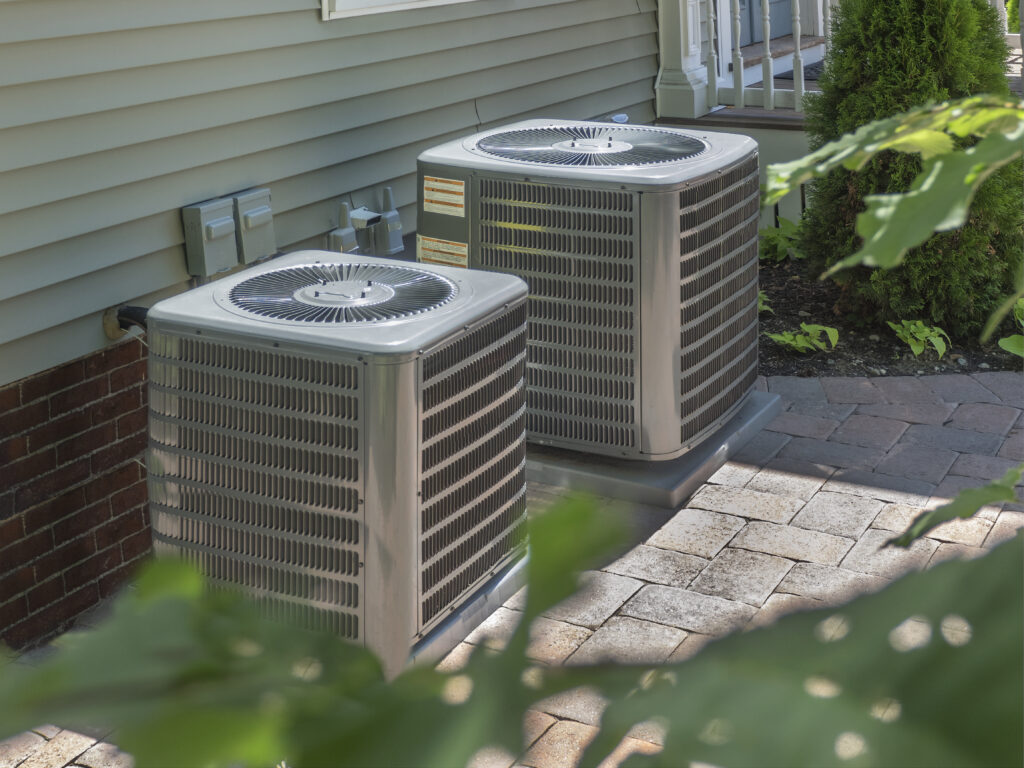
According to the latest Allergy Action Plan report available, New Orleans and Baton Rouge rank 14th and 15th respectively in the top 100 Allergy Capitals in America. This doesn’t mean you have to suffer in your own home though. Almost all major air conditioning manufacturers have addressed air purification and now offer products that connect to and work in conjunction with your central a/c system.

These high efficiency air purification systems work much better than the stand alone products that you’d see advertised on television and in magazines. The biggest reason for this is that an air filtration system installed into your central heating and cooling system filters all of the air that is channeled through your home’s ducts by the powerful blower in your a/c system. A small stand along unit that sits in a corner either doesn’t have a fan or utilizes a very small, low volume fan. Not to mention the fact that these units usually sit in a corner or along a wall, neither of which afford adequate air flow.

Here are some key features of the Indoor Air Quality products available today:

The most sophisticated units have some type of electronic filter or catalyst air purification technology.
Some incorporate UV lights that help kill spores, mold, viruses and dust mites.
Most use high efficiency pleated filters that only required replacement once or twice a year.
The “top line” products use a combination of all three of these features and those systems can remove 95% of all small, breathable particles down to .3 micron, for reference ragweed pollen is 20 micron.

You can’t control Mother Nature, but you can control the quality of the air you breathe inside of your home. with the help of a qualified air conditioning company, you can ensure that your filtering system is adequate for your family and lifestyle.

Just as important, is the ductwork that distributes the air through your home. This air is channeled back into the system to be cooled or heated, filtered, dehumidified then redelivered into your home. The best filter system money can buy will not work if the ductwork is undersized, leaking into your attic or sucking unfiltered outside air into your home.

Take control of your home comfort; call a qualified air conditioning contractor for a home comfort consultation. The best companies will have NATE certified technicians and air balancing certification from NCI, National Comfort Institute.