The Most Common Causes of Sewer Backups in Historic NOLA Neighborhoods
Plumbing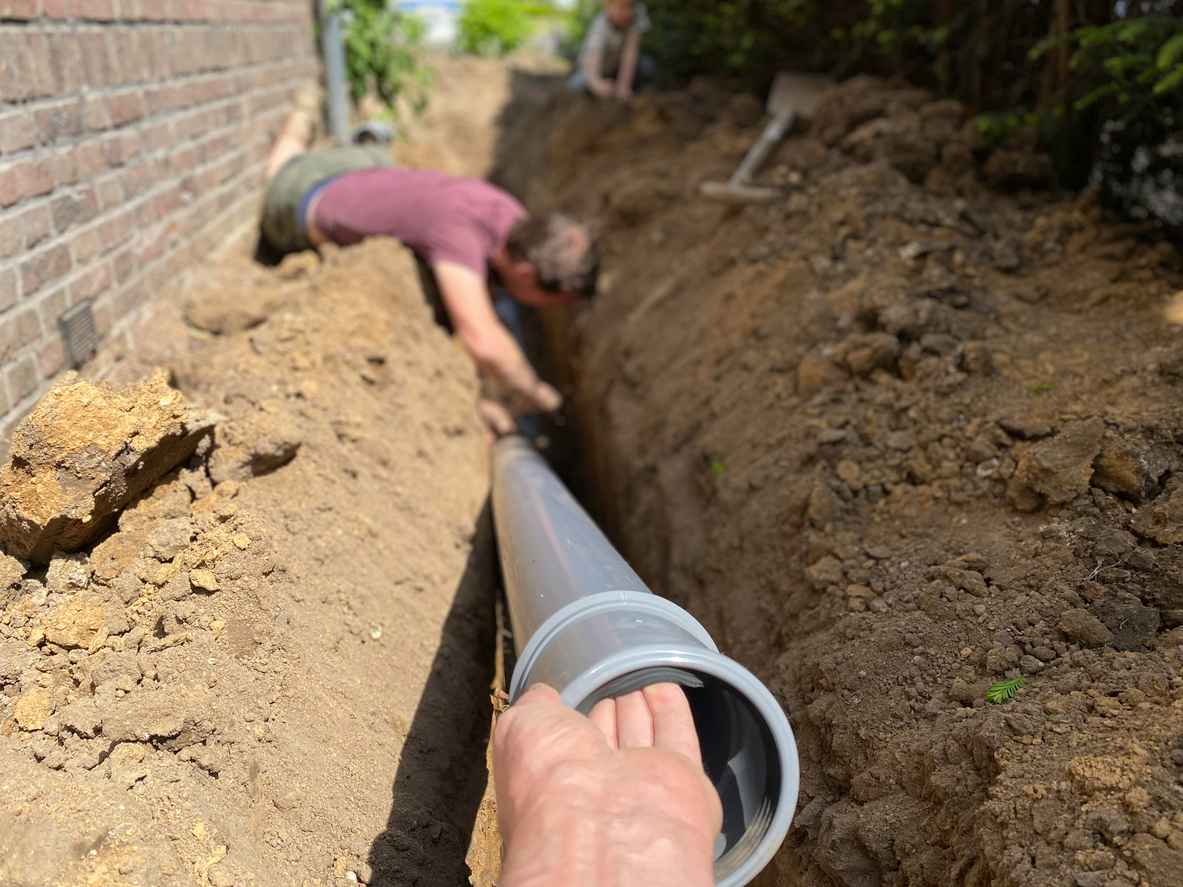
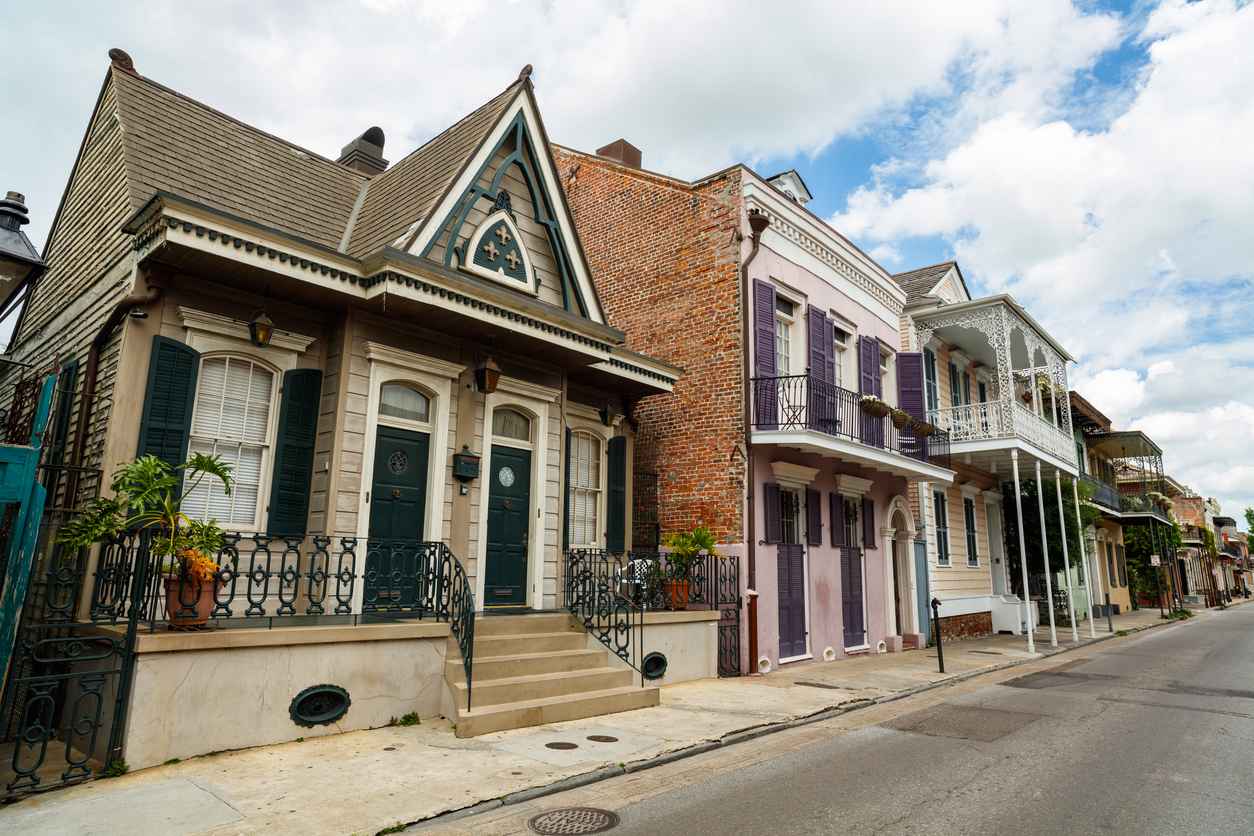
Living in a historic New Orleans neighborhood is a point of pride for many residents. From the ornate ironwork of the French Quarter to the towering oaks of the Garden District and the vibrant shotguns of Marigny, our architecture is unlike anything else in the world. However, owning a piece of New Orleans history comes with a unique set of challenges, particularly beneath the ground.
While the city above is a masterpiece of culture and design, the sewer infrastructure below is often a century-old network struggling to keep up with modern demands. At Stuart Services, we have spent decades navigating the specific plumbing quirks of the Crescent City. We know that a sewer backup in a historic home is more than just a mess; it is a threat to the structural integrity and historical value of your property.
Understanding why these backups occur in our specific geographic context is the first step in preventing a plumbing catastrophe. Here are the primary reasons why sewer lines in historic New Orleans are prone to failure.
The Battle Against Ancient Root Systems
One of the most beautiful features of New Orleans is also one of the greatest threats to our sewer lines. The majestic Live Oaks and Southern Magnolias that line our streets have root systems that are constantly hunting for moisture and nutrients.
Seeking the Source
Sewer lines are a natural magnet for tree roots. In historic neighborhoods, many of the original pipes were made of clay or cast iron. Over time, these pipes develop small cracks or loose joints due to the shifting soil of the Mississippi Delta.
- The Infiltration: Even a hairline fracture allows moisture to escape, which attracts roots. Once a tiny root fiber finds its way inside the pipe, it grows rapidly in the nutrient-rich environment.
- The Obstruction: Eventually, these roots create a thick, matted web inside the line that catches grease, toilet paper, and debris, leading to a total blockage and a backup into your home.
Subsidence and the Shifting New Orleans Soil
New Orleans is built on a foundation of silt, clay, and peat. This soil is naturally unstable and prone to subsidence, which is the gradual sinking of the land.
Pipe Misalignment
As the ground shifts and settles, the pipes buried beneath your home and the city streets move along with it. In modern construction, flexible plastic piping can handle a small amount of movement. However, the rigid clay and heavy cast iron pipes found in historic NOLA homes do not bend.
- The Break Point: When the soil shifts, these rigid pipes often snap or become disconnected at the joints.
- The Belly: Subsidence can also cause a section of the sewer line to sink lower than the rest, creating a belly or a low spot in the pipe. Solid waste and standing water collect in this dip, eventually hardening into a clog that forces sewage back up your drains.
The Legacy of C-I and Clay Piping
If your home was built before the 1960s, there is a high probability that your sewer lateral, the pipe connecting your house to the city main, is made of cast iron or vitrified clay.
Internal Corrosion
Cast iron pipes are susceptible to tuberculation. This is a process where the inside of the pipe rusts and develops jagged, rocky growths. These internal bumps reduce the diameter of the pipe and snag everything that tries to pass through.
Structural Decay
Clay pipes, while resistant to corrosion, are incredibly brittle. The weight of the soil, combined with decades of heavy New Orleans rainfall and street traffic, can cause these pipes to collapse entirely. Once a pipe collapses, there is nowhere for the waste to go but back into your tubs and toilets.
The Fatberg Factor: Modern Habits in Old Pipes
New Orleans is a city that loves to cook. From gumbo to jambalaya, our kitchens are the heart of our homes. However, the fats, oils, and greases produced in these kitchens are the natural enemy of historic plumbing.
Grease Solidification
When warm grease is poured down the drain, it eventually hits the cold, damp environment of the sewer line. It solidifies and clings to the rough interior of aging cast iron pipes.
The Accumulation
In neighborhoods with very flat sewer grades, the water moves slowly. This allows grease to build up layer by layer. When you add modern flushable wipes, which are never actually flushable, to the mix, you create a fatberg. This solid mass acts like a dam, resulting in a sudden and unpleasant backup during periods of heavy use.
The Impact of Tropical Storms and Flash Flooding
In New Orleans, our sewer and drainage systems are often separate, but during a major weather event, they can become dangerously intertwined.
Surcharge Events
When we experience the torrential downpours common to a Louisiana summer, the ground becomes oversaturated. If your historic sewer line has cracks or open joints, rainwater can seep into the sewer system. This is known as inflow and infiltration.
System Overload
When the city sewer mains become overwhelmed by this extra water, the pressure can cause a surcharge. This means the sewage in the city main has nowhere to go but back up the private laterals of the lowest-lying homes in the neighborhood.
How Stuart Services Protects Your Piece of History
At Stuart Services, we respect the heritage of New Orleans homes, and we use the latest technology to protect them. We offer several solutions specifically designed for the challenges of historic neighborhoods.
Video Camera Inspections
We don’t believe in guessing. We use high-definition waterproof cameras to travel deep into your sewer lines. This allows us to see exactly what is happening, whether it is a root intrusion, a collapsed clay pipe, or a grease buildup, without digging up your beautiful courtyard or sidewalk.
Hydro Jetting
For heavy grease and root blockages, we use hydro jetting. This process uses high-pressure water to scour the inside of your pipes, removing years of buildup and restoring the full diameter of the line. It is a safe and effective way to clear old pipes without the use of harsh chemicals.
Trenchless Sewer Repair
In many cases, we can repair or replace a failing sewer line without digging a traditional trench. Trenchless technology allows us to pull a new, seamless pipe through the old one, preserving your landscaping and historic masonry while providing a permanent solution to backups.
Staying Ahead of the Backup
A sewer backup is a traumatic event for any homeowner, but in a historic New Orleans residence, the stakes are even higher. By understanding the unique local factors, from the persistent roots of our oaks to the shifting Mississippi Delta soil, you can take the proactive steps necessary to keep your plumbing flowing freely.
Don’t wait for a backup to happen before you investigate the health of your sewer lines.
Contact Stuart Services today to schedule a professional sewer line inspection and ensure your historic home stays a source of joy rather than a plumbing nightmare.
h3 heading
h4 heading
 Request Service today
Sidebar

Home Safety Plans
Protect your family and your home for as little as $9.99/ month
 Cooling & Heating plan
Only
Cooling & Heating plan
Only $17.99/Month Cooling & Heating Plan
 Plumbing plan
ONLY
Plumbing plan
ONLY $9.99/MONTH Plumbing plan
 Tankless Water Heater Plan
ONLY
Tankless Water Heater Plan
ONLY $17.99/MONTH Tankless Water Heater Plan
 generator plan
ONLY
generator plan
ONLY $31.99/MONTH generator plan
 electrical plan
ONLY
electrical plan
ONLY $9.99/MONTH electrical plan