Preparing Your Furnace for Louisiana’s Sudden Cold Fronts
Heating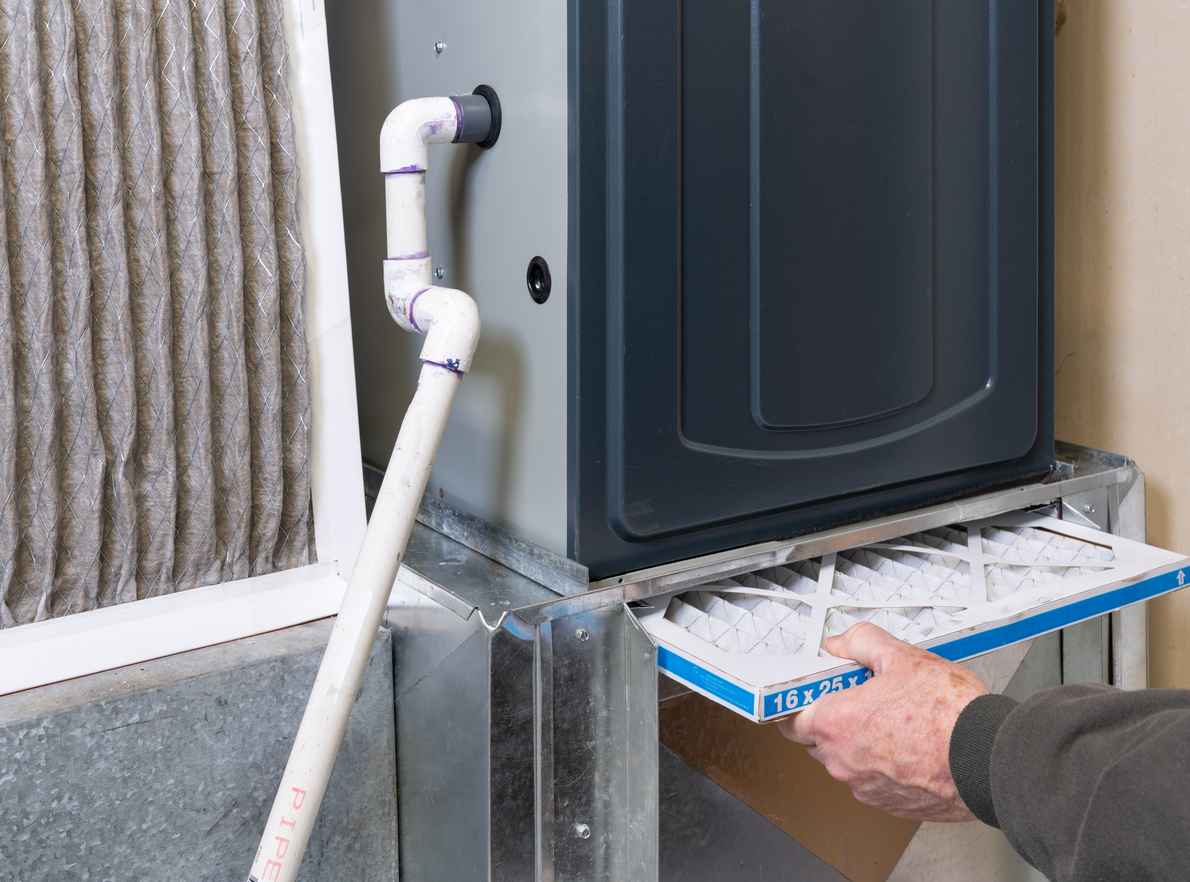
Louisiana winters may be short, but sudden cold fronts can arrive with little warning. When temperatures drop quickly, furnaces that have not been used for months are suddenly expected to run efficiently and safely. Without proper preparation, these abrupt changes can expose hidden issues and lead to breakdowns right when heat is needed most.
Preparing your furnace ahead of time helps ensure it is ready to respond when cold weather hits. Even in milder climates like Louisiana, furnaces require regular attention to perform reliably. Taking a proactive approach before the first cold front arrives can help protect comfort, prevent unexpected repairs, and keep your home warm during rapid temperature shifts.
Why Louisiana Cold Fronts Are Hard on Furnaces
Furnaces in Louisiana face a different set of challenges than those in colder climates. Because heating systems are used less frequently, sudden cold fronts can put immediate stress on equipment that has been sitting idle, increasing the chance of performance problems.
Rapid Temperature Swings and System Stress
Louisiana cold fronts often cause temperatures to drop quickly within a short period of time. This sudden demand forces furnaces to start and run at full capacity without a gradual warm up. Components that have not been exercised recently may struggle under this immediate load.
Rapid temperature changes can lead to:
- Delayed or failed ignition
- Increased strain on motors and blowers
- Uneven heating during the first cycles
Infrequent Furnace Use and Readiness Issues
Because furnaces may sit unused for long stretches, small issues can go unnoticed until the system is needed. Dust buildup, worn parts, and minor electrical problems often surface only when the furnace is turned on after months of inactivity.
Infrequent use can contribute to:
- Dirty burners or clogged filters
- Weak igniters or sensors
- Reduced airflow and efficiency
Common Furnace Problems Triggered by Cold Fronts
When a cold front arrives suddenly, furnaces that have been inactive can develop problems quickly. These issues often appear during the first few heating cycles and can disrupt comfort if not addressed early.
Ignition and Startup Issues
Ignition problems are common when furnaces are turned on after long periods of inactivity. Dust, debris, or worn components can interfere with proper startup.
Common ignition related issues include:
- Dirty or clogged burners
- Failing igniters or pilot components
- Delayed ignition that causes loud startup noises
Airflow and Blower Problems
Proper airflow is essential for efficient and safe furnace operation. When filters or blower components are dirty or worn, the system may struggle to distribute heat evenly.
Airflow problems often involve:
- Clogged or overdue air filters
- Blower motors under strain
- Reduced heat output or uneven room temperatures
Key Steps to Prepare Your Furnace Before Cold Weather
Preparing your furnace before a cold front arrives helps ensure reliable performance and reduces the risk of sudden breakdowns. A few proactive steps can make a noticeable difference when temperatures drop quickly in Louisiana.
Filter Replacement and Airflow Checks
A clean air filter allows proper airflow and helps the furnace run efficiently. Dirty filters restrict airflow, increase strain on the system, and can lead to overheating or shutdowns.
Preparation steps include:
- Replacing or cleaning the air filter
- Checking vents and registers for obstructions
- Ensuring return air pathways are clear
Thermostat and System Testing
Testing the furnace before cold weather arrives helps identify issues early. Running a short heating cycle ensures the thermostat communicates properly with the system.
Important checks include:
- Confirming the thermostat switches correctly to heating mode
- Verifying the furnace responds promptly
- Monitoring how quickly warm air is delivered
Inspecting Vents, Flues, and Safety Components
Proper ventilation is critical for safe furnace operation. Blocked vents or flues can lead to performance issues and safety risks.
Inspection tasks include:
- Checking exhaust and intake vents for debris
- Ensuring flue pipes are securely connected
- Confirming carbon monoxide detectors are functioning
Warning Signs Your Furnace Is Not Ready for Cold Weather
Even with preparation, some furnaces show clear signs that they may struggle when a cold front arrives. Paying attention to these warnings can help homeowners act before a complete breakdown occurs.
Performance Issues to Watch For
Changes in how your furnace heats the home are often early indicators of trouble. These issues may start small but can worsen quickly during sudden cold snaps.
Common performance warning signs include:
- Uneven heating from room to room
- Longer run times to reach the set temperature
- Weak airflow from vents
Safety Concerns That Need Immediate Attention
Certain signs indicate potential safety risks and should never be ignored. These issues require prompt professional evaluation.
Serious warning signs include:
- Gas odors near the furnace
- Frequent system shutdowns
- Unusual noises during operation
Staying Ahead of Louisiana Cold Fronts Starts With Furnace Preparation
Sudden cold fronts can put unexpected stress on furnaces in Louisiana homes, especially when systems have been inactive for long periods. Preparing your furnace ahead of time helps reduce the risk of startup issues, uneven heating, and breakdowns when temperatures drop quickly. Simple steps like filter changes, system testing, and safety checks can make a big difference in performance and reliability.
Being proactive allows homeowners to stay comfortable and avoid emergency repairs during cold snaps. Addressing warning signs early and scheduling professional service helps ensure your furnace is ready when it is needed most.
If you want help preparing your system for Louisiana’s unpredictable cold fronts, Stuart Services can provide expert furnace inspections and dependable heating solutions. Schedule your furnace service today!
h3 heading
h4 heading
 Request Service today
Sidebar

Home Safety Plans
Protect your family and your home for as little as $9.99/ month
 Cooling & Heating plan
Only
Cooling & Heating plan
Only $17.99/Month Cooling & Heating Plan
 Plumbing plan
ONLY
Plumbing plan
ONLY $9.99/MONTH Plumbing plan
 Tankless Water Heater Plan
ONLY
Tankless Water Heater Plan
ONLY $17.99/MONTH Tankless Water Heater Plan
 generator plan
ONLY
generator plan
ONLY $31.99/MONTH generator plan
 electrical plan
ONLY
electrical plan
ONLY $9.99/MONTH electrical plan