How New Orleans Humidity Impacts HVAC Systems Even in Cooler Months
Air Conditioning, Indoor Air Quality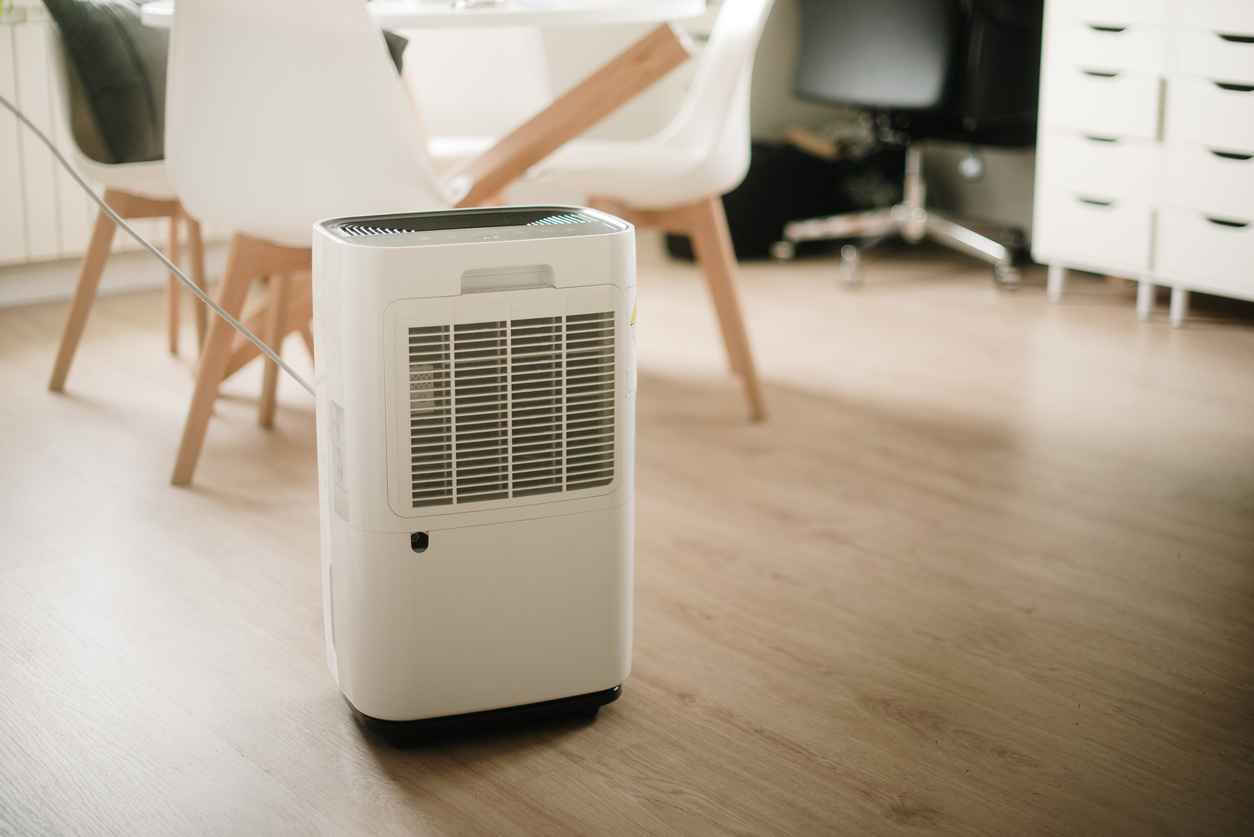
In New Orleans, we all know the summer routine: the air gets so thick you can practically slice it with a butter knife. We rely on our air conditioners to keep us from melting, and we don’t think twice about it. But once the calendar turns to October and the temperatures finally dip into the 60s and 70s, many of us assume the humidity battle is won. At Stuart Services, we’ve spent over 70 years serving this city, and we’re here to let you in on a local secret: the New Orleans humidity doesn’t go on vacation just because it’s “cooler” outside.
In fact, the humidity during our mild winters and damp springs can be just as hard on your HVAC system, and your home, as a July heatwave. When the air is cool but saturated with moisture, your system faces a unique set of challenges. It has to manage the “damp cold” that makes 50 degrees feel like 30, while simultaneously preventing your home from becoming a breeding ground for mold. As we navigate the 2026 season, staying ahead of this “invisible load” is the key to maintaining a healthy, efficient home.
The Science of NOLA’s “Damp Cold”
You’ve likely heard a visitor complain that “a New Orleans 50 degrees feels colder than a New York 30.” They aren’t imagining it. In a dry climate, air loses heat quickly. But in our subtropical environment, the air is packed with water vapor. Water is an incredible conductor of heat, which means that damp, chilly air pulls the warmth away from your body much faster than dry air does.
This same principle applies to your home. When your indoor air is too humid during the cooler months, your heating system has to work significantly harder to make you feel warm. It isn’t just fighting the temperature; it’s fighting the moisture. This results in longer run times, higher energy bills, and a “clammy” feeling that no amount of blanket-layering can fix.
The HVAC “Dormancy” Trap: Mold and Mildew
The most dangerous times for a New Orleans HVAC system aren’t the hottest or coldest days; it’s those beautiful, “in-between” weeks when the AC isn’t running constantly.
- The Stagnant Air Problem: When your system cycles off for long periods during a humid 70-degree week, the air inside your ductwork becomes stagnant. Without the AC’s dehumidification cycle, that moisture settles on your coils and inside your vents.
- The Spring Bloom: High indoor humidity (anything over 55%) during mild weather is the perfect recipe for mold and mildew. This often leads to “Dirty Sock Syndrome”—that funky, earthy smell you get the first time you switch your unit on after a break.
- Ductwork Health: Moisture trapped in ducts can damage insulation and lead to biological growth that is both difficult and expensive to remove.
Corrosion: The Silent Winter Killer
Because we are so close to the Gulf and surrounded by water, our air is naturally corrosive. Humidity acts as a delivery system for salt and other pollutants, which settle on the delicate aluminum fins of your outdoor condenser and the copper connections of your indoor unit.
During the cooler months, this moisture stays on the equipment longer because it doesn’t evaporate as quickly as it does in the summer sun. This “prolonged dampness” accelerates rust and electrical corrosion. At Stuart Services, we prioritize checking for these silent killers during our seasonal maintenance visits. Tightening electrical connections and cleaning coils in the “off-season” is what keeps a New Orleans HVAC system running for 12 years instead of 7.
Indoor Air Quality (IAQ) Solutions for 2026
Modern technology has given us better tools than ever to fight the swamp. In 2026, we are seeing a major shift toward whole-home humidity control that operates independently of the cooling cycle.
- Whole-Home Dehumidifiers: These are the gold standard for New Orleans. They can pull gallons of water out of your air even when your AC isn’t running, keeping your home at a crisp 45% humidity year-round.
- UV Germicidal Lights: We install these directly over your evaporator coil. They use high-intensity light to kill mold spores and bacteria in those dark, damp spaces where New Orleans moisture loves to hide.
- Smart Humidity Sensing: 2026 thermostats are smarter than ever. They can monitor the dew point outside and adjust your system’s blower speed to maximize moisture removal without making your house feel like an icebox.
Why Choose Stuart Services?
Since 1956, Stuart Services has been the team New Orleans hires to handle the unique quirks of our climate. We don’t just “fix ACs”; we manage the environment inside your home. Our technicians are locally trained to identify the specific signs of humidity-related wear that “national” companies often miss. Whether you need a precision tune-up to clear your drain lines or a full IAQ strategy to protect your family’s health, we bring seven decades of experience to every front door.
Don’t Let the Dampness Win
Humidity is a fact of life in New Orleans, but it shouldn’t dictate your comfort or your energy bills. By acknowledging that moisture management is a year-round job, you can protect your HVAC investment and ensure your home stays fresh and dry, no matter what the weather is doing in the French Quarter.
Reclaim your home from the dampness. Contact Stuart Services today to schedule your HVAC or indoor air quality service for your New Orleans home.
h3 heading
h4 heading
 Request Service today
Sidebar

Home Safety Plans
Protect your family and your home for as little as $9.99/ month
 Cooling & Heating plan
Only
Cooling & Heating plan
Only $17.99/Month Cooling & Heating Plan
 Plumbing plan
ONLY
Plumbing plan
ONLY $9.99/MONTH Plumbing plan
 Tankless Water Heater Plan
ONLY
Tankless Water Heater Plan
ONLY $17.99/MONTH Tankless Water Heater Plan
 generator plan
ONLY
generator plan
ONLY $31.99/MONTH generator plan
 electrical plan
ONLY
electrical plan
ONLY $9.99/MONTH electrical plan