Serving Greater New Orleans & Northshore



Plumbing Issues Common in Historic New Orleans Homes
Plumbing Issues Common in Historic New Orleans Homes

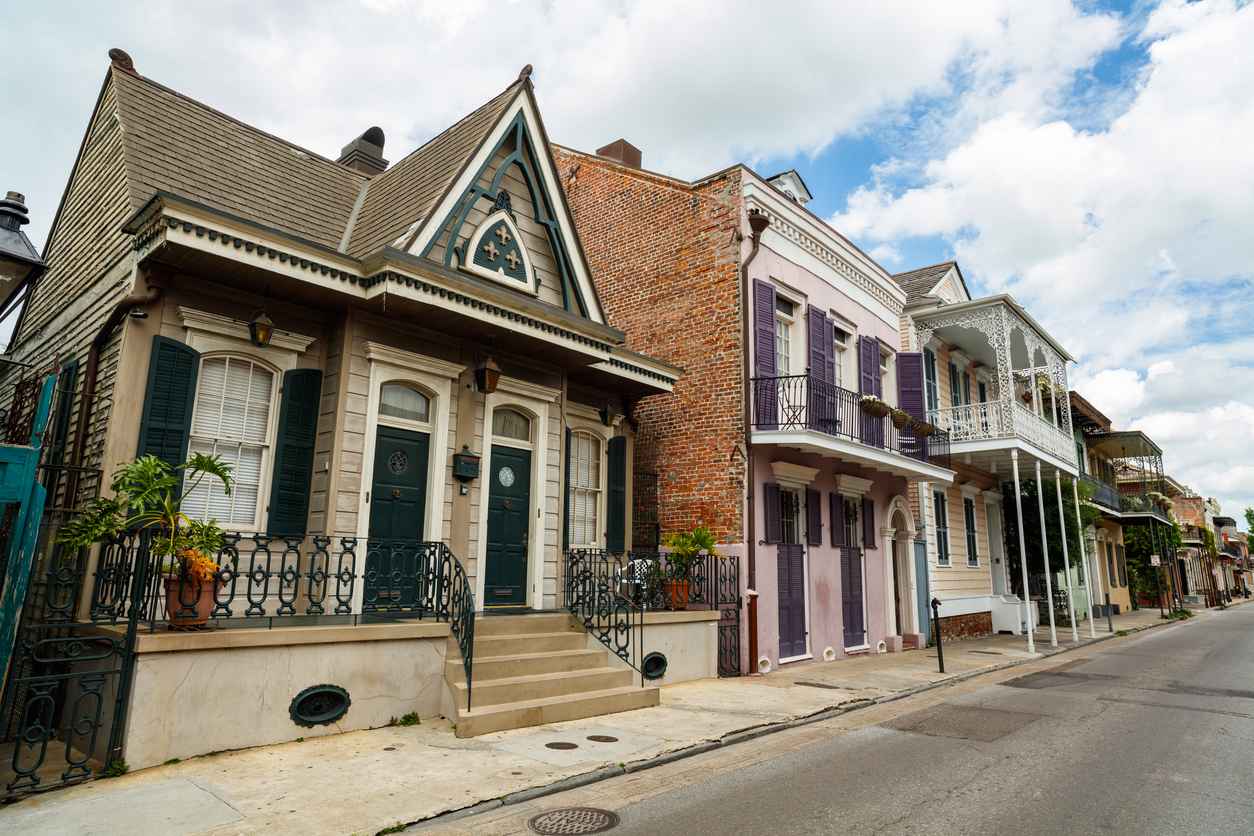
New Orleans is a city defined by its history. From the intricate ironwork of the French Quarter to the stately mansions of the Garden District, our architectural heritage is a source of immense pride. However, for those who live in these historic properties, that beauty often comes with a complex set of maintenance challenges. The very things that make a New Orleans home charming, its age, its unique construction, and its proximity to the Mississippi River, are the same factors that create significant stress for its plumbing system.
At Stuart Services, we have spent decades navigating the crawlspaces and courtyards of our city’s most storied neighborhoods. We understand that working on a home built in the 1880s is vastly different than working on a modern build in the suburbs. In a historic New Orleans home, the plumbing is often a patchwork of different eras, materials, and repair styles. This guide explores the most common plumbing issues found in our local historic properties and how homeowners can protect these treasures for the next century.
The Legacy of Outdated Pipe Materials
In many of our local historic homes, the original plumbing was built to last for the standards of the day. Unfortunately, those standards involved materials that we now know have a limited lifespan or pose health risks.
Galvanized Steel Corrosion
Common in homes built before the 1960s, galvanized steel pipes were once the gold standard. These pipes are coated in a layer of zinc to prevent rust, but over time, that zinc wears away.
- Internal Rusting: As the zinc disappears, the inside of the pipe begins to rust. This creates a rough surface that catches debris and leads to chronic clogs.
- Reduced Water Pressure: The buildup of rust and minerals inside the pipe acts like “clogged arteries,” slowly narrowing the path for water. If your shower pressure has dwindled over the years, galvanized pipes are likely to blame.
- Discolored Water: If your water looks brown or orange first thing in the morning, you are seeing the literal oxidation of your home’s plumbing.
The Risks of Lead and Cast Iron
Older New Orleans homes may still feature lead pipes or lead solder, which pose significant health risks. Additionally, cast iron was frequently used for main sewer lines. While cast iron is incredibly strong, it is susceptible to “channeling,” where the bottom of the pipe eventually wears away due to decades of water flow, allowing sewage to leak directly into the soil beneath your home.
Soil Subsidence and Shifting Foundations
New Orleans is built on soft, silty soil and reclaimed swamplands. This geology, combined with our high water table, means the ground is constantly in motion. For a rigid plumbing system, this movement is a recipe for disaster.
Differential Settling
As a historic home settles into the New Orleans earth, it rarely does so evenly. One side of the house may sink faster than the other. Because pipes are often anchored to the home’s structure, this shifting puts immense “shear stress” on the plumbing joints.
- Sewer Line Bellies: When the ground shifts under a sewer pipe, it can create a “belly” or a low spot. In these areas, gravity no longer helps move waste along. Debris settles in the low spot, leading to frequent backups that no amount of chemical cleaner can fix.
- Slab Leaks: For those historic homes that have been modified or built on slabs, the shifting soil can crack the pipes running underneath the concrete. These leaks are notoriously difficult to find without specialized acoustic equipment.
The Impact of the Water Table
Our high water table means that the soil surrounding your pipes is often saturated. This moisture can accelerate the corrosion of metal pipes and create “hydrostatic pressure” that forces groundwater into tiny cracks in your sewer line, overwhelming your system during heavy rain events.
Invasive Root Systems
New Orleans is famous for its lush greenery and ancient Live Oaks. While these trees provide shade and character, their root systems are the natural enemies of historic plumbing.
Seeking Moisture in the Dry Season
During our hotter, drier months, tree roots become aggressive in their search for water. They can sense the moisture and nutrients inside your sewer lines from a distance.
- Hairline Entry: Roots do not need a large hole to enter a pipe. They can find a tiny gap in a mortar joint or a microscopic crack in a cast iron line. Once a single root hair enters, it begins to grow rapidly.
- The Root Mat: Inside the pipe, the roots expand into a thick, matted web that catches grease, hair, and paper. This creates a solid “plug” that eventually causes a total system failure.
- Structural Damage: As the roots grow larger, they can actually split the pipe apart, requiring a full excavation and replacement of the line.
Unique Challenges of “Raised” New Orleans Homes
Many of our historic homes are “raised” on brick piers or wooden stilts. While this helps prevent flooding, it creates a unique plumbing environment that is exposed to the elements.
Exposure to Temperature Swings
Unlike pipes buried deep in the earth, the plumbing under a raised home is surrounded by air. When New Orleans experiences a rare but sharp freeze, these pipes are at extreme risk.
- Freeze Protection: Because these pipes are in a crawlspace, they lack the natural insulation of the soil. Homeowners must be diligent about insulating these lines with foam sleeves or heat tape.
- Pest Damage: Crawlspaces are attractive homes for rodents and other pests. We often see flexible PEX piping or insulation that has been chewed through, leading to mysterious leaks under the house.
Difficult Access for Repairs
The crawlspaces in historic neighborhoods like Mid-City or the Marigny can be incredibly tight. Performing a repair in a space with only 12 inches of clearance requires specialized skills and equipment. Many general plumbers avoid these jobs, but at Stuart Services, we consider ourselves “crawlspace specialists.”
Maintaining the Integrity of Your Historic Plumbing
Owning a piece of New Orleans history means taking a proactive approach to maintenance. You cannot wait for a major leak to address the age of your system.
Regular Video Inspections
The best way to manage a historic plumbing system is to see it for yourself. A high definition video camera inspection allows us to travel through your lines and identify issues before they become emergencies.
- Mapping the System: We can tell you exactly where your cast iron transitions to PVC and where those oak roots are starting to intrude.
- Peace of Mind: For those buying a historic home, a sewer scope is the most important part of the inspection process. It can save you tens of thousands of dollars in “hidden” repair costs.
Hydro-Jetting for Older Lines
Traditional “snaking” can sometimes be too aggressive for fragile, older pipes. Hydro-jetting uses high pressure water to scrub the interior of the pipes clean. It removes scale, grease, and roots without the physical impact of a metal cable, making it a safer choice for many historic properties.
Preserving New Orleans, One Pipe at a Time
Your historic New Orleans home is a testament to the craftsmanship of the past. By addressing common plumbing issues like galvanized corrosion, soil shifting, and root intrusion, you are doing more than just fixing a leak; you are preserving the structural integrity of a local landmark. These homes were built to breathe and move, and their plumbing systems require a specific type of care that respects that original design.
Do not let “old house problems” dampen your love for your New Orleans home. The experts at Stuart Services are ready to help you navigate the complexities of historic plumbing. From camera inspections to specialized crawlspace repairs, we provide the honest, professional service you need to keep your home running smoothly.
Contact us today to schedule your assessment and ensure your historic property remains a source of pride for years to come.
Recent Posts
How to Prepare Your New Orleans Home Before a Storm
New Orleans Hurricane Electrical Checklist
Sewer Smell in the House in New Orleans: The 6 Most Common Causes (And Which Ones Are Emergencies)
Send Us a Message
Send Us a Message


Get Started Today
Let Stuart Do It!
Let Stuart Do It!
Ready for reliable home service you can count on? Contact Stuart Services today to schedule fast, expert heating, cooling, plumbing, or electrical solutions backed by over 65 years of trusted experience.